
How to Keep Vegetables Fresh for Longer in Nigeria: 10 Practical Storage Tips
November 28, 2026
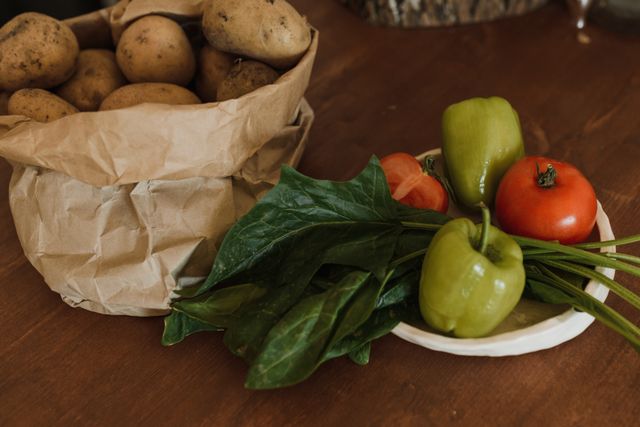
You buy fresh vegetables today, put them in the kitchen and promise yourself that you will use them throughout the week.
Then two or three days later, you open the bag and discover that the vegetables are already looking tired.
Some leaves have turned yellow, the tomatoes are becoming soft, and the peppers no longer look as fresh as they did when you bought them.
Sound familiar?
Vegetables are an important part of Nigerian cooking. From ugu and efo tete to tomatoes, peppers and onions, we use them in soups, stews, sauces and everyday meals.
Unfortunately, improper storage can make fresh vegetables spoil faster, resulting in wasted food and money.
The good news? You can extend the freshness of many vegetables with a few simple storage habits.
Here are 10 practical ways to keep your vegetables fresh for longer.
10 Ways to Keep Vegetables Fresh
1. Remove damaged leaves immediately
Before storing leafy vegetables, inspect them and remove leaves that are already damaged, slimy or rotting.
One spoiled leaf can affect the quality of the surrounding vegetables, especially when everything is packed tightly together.
Be gentle when handling fresh leaves to avoid bruising them.
2. Store leafy vegetables properly
Vegetables such as ugu, efo tete and spinach need careful handling.
Remove excess moisture and store them in a clean container or suitable food-storage bag with a paper towel to absorb moisture.
Keep them refrigerated where possible and avoid crushing them under heavy food items.
For leafy greens, proper washing and drying before storage can help reduce dirt and excess moisture.
3. Avoid washing every vegetable immediately
Not every vegetable should be washed before storage.
Some fresh produce keeps better when stored dry and washed just before preparation.
However, leafy greens are an exception and should be handled carefully, washed with clean water and dried properly before storage.
Avoid using soap or household cleaning products on vegetables.
4. Store tomatoes according to their ripeness
Tomatoes require a little attention.
Firm, unripe tomatoes can be left at room temperature until they ripen.
Once ripe, refrigerating them can help slow further deterioration.
Keep damaged or overripe tomatoes separate from firm ones so you can use them first.
5. Keep onions in a cool, dry place
Onions generally prefer cool, dry and well-ventilated storage.
Avoid keeping them in sealed plastic bags where moisture can accumulate.
Also, store onions separately from potatoes because their storage requirements differ.
6. Do not store all vegetables together
Different vegetables have different storage requirements.
Some prefer refrigeration, while others do better in a cool, dry environment.
For example:
- Leafy vegetables generally need refrigeration.
- Potatoes should be kept in a cool, dark, well-ventilated place.
- Onions need a dry and ventilated environment.
- Tomatoes can ripen at room temperature before refrigeration.
Understanding these differences can help reduce unnecessary spoilage.
7. Use airtight containers where appropriate
Suitable food-storage containers can help protect cut vegetables from contamination and prevent them from drying out.
However, do not trap excess moisture inside the container.
Use clean containers and follow appropriate refrigeration practices.
8. Freeze vegetables you cannot use immediately
Some vegetables can be frozen for longer storage.
Wash, prepare and blanch suitable vegetables before freezing, depending on the type.
Blanching involves briefly heating vegetables in boiling water and cooling them rapidly before freezing. It helps maintain quality during frozen storage.
Always package vegetables in freezer-safe bags or containers and label them with the date.
9. Use older vegetables first
Practise the first-in, first-out method.
This simply means using older vegetables before newer purchases.
Whenever you buy fresh produce, place the older items where they are easiest to reach.
This helps prevent vegetables from being forgotten at the back of the fridge.
10. Buy quantities you can realistically use
Sometimes the biggest storage mistake happens before you even get home.
Buying more vegetables than your household can consume is an easy way to waste food.
Think about your weekly meal plan, household size and available storage space before buying.
Buying fresh vegetables in suitable quantities can save you money and reduce spoilage.
How to Store Popular Nigerian Vegetables
Here is a quick guide to some vegetables commonly used in Nigerian kitchens.
| Vegetable | Recommended storage |
|---|---|
| Ugu leaves | Refrigerate in a clean, suitable container |
| Efo Tete | Refrigerate after washing and drying properly |
| Tomatoes | Ripen at room temperature, refrigerate when ripe |
| Fresh pepper | Refrigerate dry and use damaged ones first |
| Onions | Cool, dry and well-ventilated place |
| Carrots | Refrigerate in the vegetable drawer |
| Cucumber | Refrigerate and keep dry |
| Potatoes | Cool, dark and ventilated place |
Storage time varies depending on freshness at purchase, temperature, moisture and handling. Check produce regularly and discard anything showing signs of spoilage.
Why Buying Fresh Vegetables Matters
Fresh vegetables make everyday cooking easier.
When you have good-quality vegetables available, preparing vegetable soup, stew, sauces and other meals becomes less stressful.
It also means you spend less time worrying about whether the vegetables you bought several days ago are still suitable for cooking.
If you are shopping for fresh vegetables in Ado-Ekiti, YellowBold makes it easier to explore different options online.
You can shop for:
Frequently Asked Questions
How do I keep ugu leaves fresh for a week?
Start with fresh leaves, remove damaged portions, wash carefully, dry thoroughly and store in a suitable container in the refrigerator. Check regularly and remove any deteriorating leaves. Actual storage life depends on freshness and refrigerator conditions.
Should I wash vegetables before putting them in the fridge?
It depends on the vegetable. Many vegetables keep better when stored dry and washed before use. Leafy greens are an exception and should be washed and dried properly before refrigeration.
How do I stop tomatoes from spoiling quickly?
Keep unripe tomatoes at room temperature until they ripen. Once ripe, refrigerate them to slow deterioration and use damaged tomatoes promptly.
Can I freeze fresh vegetables?
Yes. Many vegetables can be frozen, although preparation methods differ. Blanching is recommended for many vegetables before freezing to maintain quality.
How can I reduce food waste at home?
Buy quantities you can use, store different vegetables appropriately, plan meals ahead and use older produce before newer purchases.
Final Thoughts
Keeping vegetables fresh is not complicated when you understand what each type of produce needs.
A little attention to washing, drying, refrigeration and meal planning can help you reduce food waste and get more value from your grocery shopping.
And when it is time to restock your kitchen, YellowBold is here to help.
Fresh produce, groceries and everyday essentials, delivered in Ekiti.